A roofing starter strip serves as the critical foundation element of any residential roofing system. Expert roofers install these specialized starter shingles along the eaves and rakes to ensure proper setup and protect your finished roof from wind damage and water infiltration.
Understanding Roofing Starter Strips: Definition and Critical Purpose
What Makes Starter Strips Essential for Your Roofing System
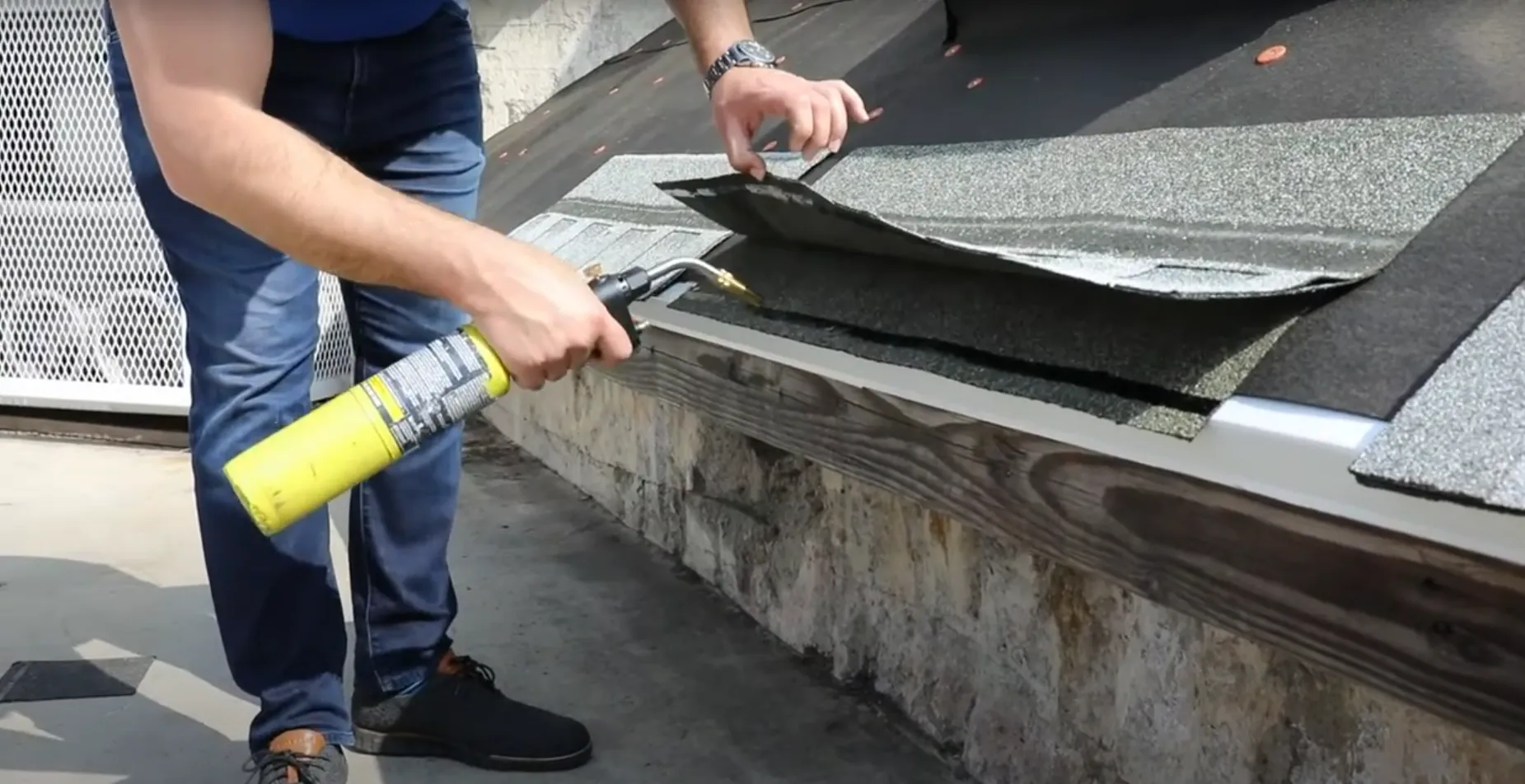
The roofing starter strip is a rectangular element that roofers position at the lower edge of your roof deck before installing field shingles. This starter course creates a uniform base that ensures the first layer of finished roof shingles sits correctly and securely. Expert roofers understand that starter strip roofing greatly improves the overall wind resistance of your asphalt shingle roof.
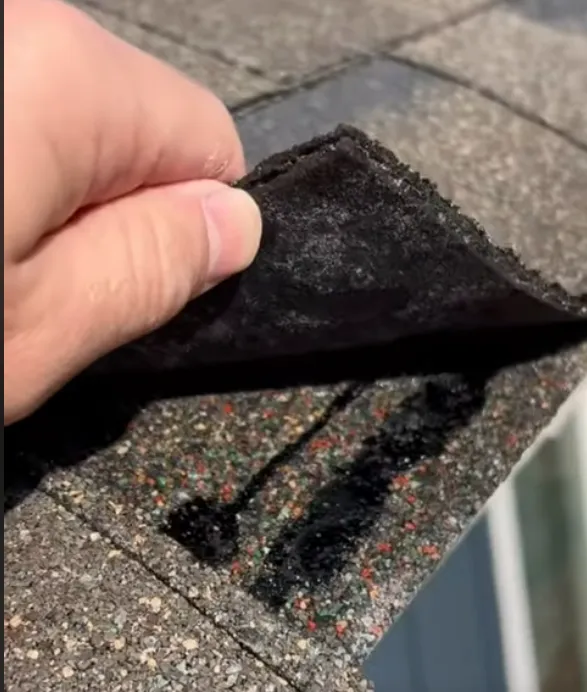
Unlike standard three-tab shingles, starter strips for roofing feature a continuous sealant area that bonds directly to the roof edge. This design prevents strong winds from lifting shingle ends and causing potentially expensive blow-off damage. The starter roll material serves as the first line of defense for your roofing system.
How Starter Strip Shingles Protect the Roof Edge
Starter shingles along the outer roof edge seal the first row of finished shingles to the roof deck. Without this critical element, joints between the finish shingles remain vulnerable to water infiltration and wind uplift. The sealant area on starter shingles creates a waterproof barrier that protects your home’s exterior from moisture damage.
Proper Positioning and Setup of Starter Strip Roofing
Where Starter Strips Go Along the Eaves and Rakes
Expert roofers position roofing starter strips precisely along the eaves and rakes of the roof. The starter course must extend beyond the roof edge by approximately half an inch to ensure proper water drainage. This positioning allows the starter strip for roofing to protect shingle joints while maintaining an aesthetically pleasing finished appearance.
The setup process requires careful attention to ensure the starter shingle aligns correctly with the roof deck. Skilled roofers position these elements to create a straight, uniform base for the subsequent layers of asphalt roofing materials.
Nail Positioning and Best Practices for Setup Tips
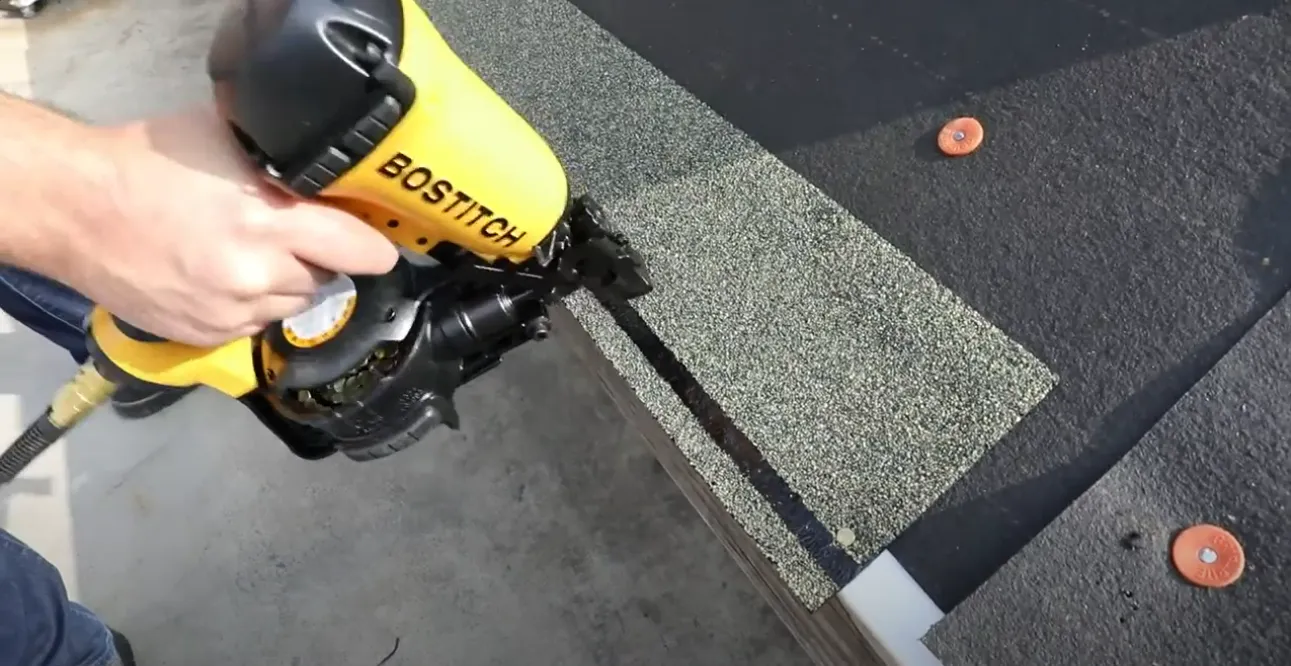
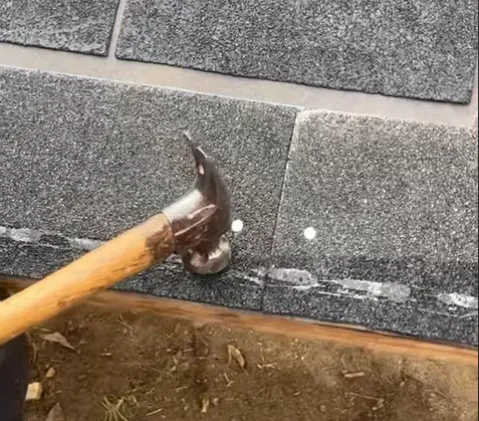
Proper nail positioning is critical for starter roofing setup. Expert roofers follow specific instruction guidelines that require nails to be positioned four inches from the roof edge and spaced according to manufacturer specifications. The nails must penetrate the roof deck sufficiently to secure the starter against strong winds.
The setup best practices include:
- Ensuring the starter strip extends uniformly beyond the roof edge
- Aligning nail positioning correctly to avoid shingle cutout areas
- Maintaining consistent spacing between fasteners
- Checking that the sealant area faces upward toward the field shingles
Ensuring Starter Course Position on the Roof Deck
The starter course must be positioned precisely to create a level foundation for finished roof shingles. Any uneven positioning can result in visible imperfections in the completed roof setup. Experienced roofers use measuring tools to ensure equally spaced positioning along the entire roof edge.
Roofing Starter Strip Features and Specifications
Sealant Area Properties and Adhesive Performance
The sealant area on roofing starter shingles contains specially formulated adhesive that activates with heat and pressure. This element bonds the starter to field shingles, creating a secure connection that resists wind uplift. The adhesive properties ensure long-term performance even under challenging weather conditions.
Modern starter materials feature enhanced sealant formulations that provide superior adhesion compared to traditional roofing products. These improvements efficiently prevent shingle blow-off and maintain roof coverage integrity throughout the roof’s lifespan.
Length Coverage and Waterproof Considerations
Standard roofing starter strips are manufactured in lengths that allow for efficient setup while minimizing waste. Most products measure 33 feet in length, providing adequate coverage for typical residential applications. The waterproof design incorporates roofing granules that coordinate with common shingle colors.
Coverage specifications typically include:
- Standard width: 11.5 inches
- Length per roll: 33 linear feet
- Coverage area per bundle: approximately 105 linear feet
- Weight per bundle: varies by manufacturer
Coordinating Your Roofing System Elements
Selecting starter strips that coordinate with your finished shingles ensures aesthetic consistency across your overall roof. Manufacturers produce starter materials in colors that complement popular three-tab and laminated shingle options. This coordinating approach creates a uniform appearance while maintaining the functional benefits of proper starter setup.
Starter Roofing Solutions for Different Shingle Types
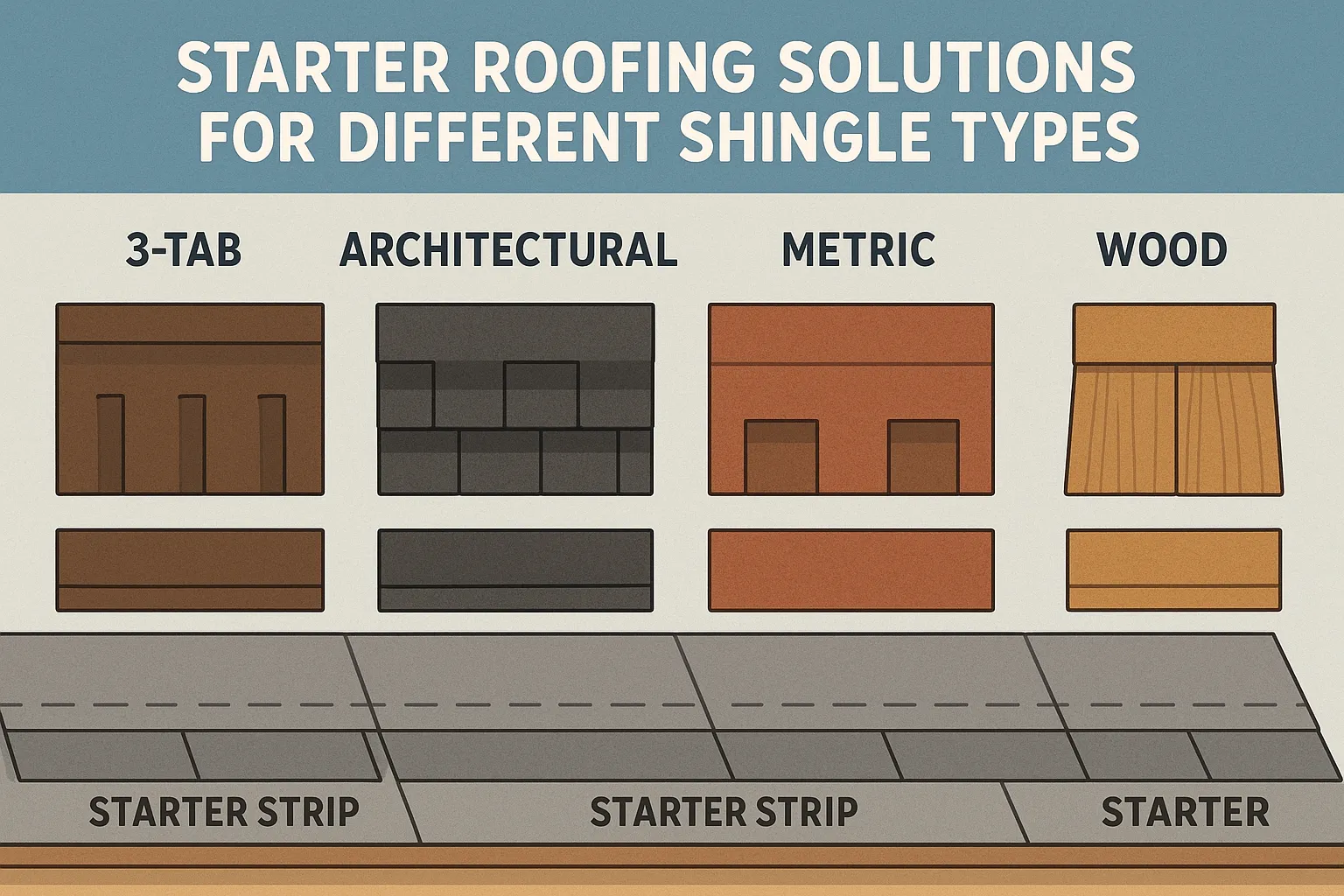
Three-Tab Shingle and Architectural Starter Requirements
Three-tab shingles require specific starter configurations to accommodate their cutout design. The starter course must align with the tabs to prevent gaps that could allow water infiltration. Expert roofers understand these requirements and select appropriate starter products for 3-tab shingle applications.
Architectural shingles, also known as laminated shingles, typically use similar starter roofing products but may require modified setup techniques. The thicker profile of these shingles affects how the starter course interfaces with the finished roof surface.
Laminated Shingles and Field Shingle Compatibility
Laminated shingles present unique challenges for starter roofing setups due to their dimensional profile. The starter must accommodate the varying thickness while maintaining proper seal integrity. This compatibility ensures that finished shingles on the roof bond correctly with the underlying starter course.
Why Some Roofing Systems Need Unique Starter Solutions
Certain roofing applications require specialized starter products that address specific performance requirements. High-wind zones may need enhanced adhesive formulations, while steep-slope applications might require modified fastening patterns. Expert roofers assess these factors to select an appropriate starter for roofing applications.
Benefits of Quality Roofing Starter Strips for Homeowners
Enhanced Weather Protection and Wind Resistance Performance
Quality roofing starter strips provide superior protection against weather-related damage. The continuous seal created by the starter course prevents wind-driven rain from penetrating shingle joints. This protection is particularly critical along the rakes of the roof, where wind forces are typically strongest.
The overall wind resistance of your roofing system depends significantly on proper starter setup. Studies show that homes with correctly positioned starter courses experience fewer insurance claims related to wind damage.
Preventing Shingle Blow-Off Along the Outer Roof Edge
Starter strips for roofing serve as the primary defense against shingle blow-off events. The sealant area creates a mechanical bond that holds finished shingles securely in position even during severe weather. This protection is essential for maintaining roof coverage and preventing water damage to your home’s interior.
Aesthetically Pleasing Finished Roof Appearance
Expert setup of starter shingles contributes to a uniform, aesthetically pleasing finished roof. The starter course eliminates the uneven appearance that can result from improper shingle setup. Homeowners benefit from improved curb appeal and property value when their roofing system includes properly positioned starter strips.
Expert Roofing San Jose: Skilled Setup Services
Why Choose Expert Roofer Services in San Jose
Skilled roofers in San Jose understand local building codes and weather challenges that affect starter setup. The region’s climate requires specific attention to wind resistance and moisture protection, making expert services essential for optimal performance.
San Jose roofing specialists possess the expertise to correctly position starter strips along complex roof lines and architectural features. Their experience ensures compliance with manufacturer warranties while delivering superior protection for your residential property.
Local Roofing Expertise and Quality Guarantee
Established roofers in San Jose offer comprehensive warranties that cover both materials and workmanship. This guarantee provides homeowners with confidence that their starter roofing setup will perform as intended. Local experts understand regional weather patterns and select appropriate products for long-term durability.
Frequently Asked Questions About Roofing Starter Strips
Is a shingle starter strip necessary for residential roofing?
Yes, starter shingles are essential for proper roofing system performance. Building codes in most areas require starter courses to ensure adequate wind resistance and weather protection. Expert roofers consider starter strips a critical element that cannot be omitted without compromising roof integrity.
What is the difference between a drip edge and a starter strip?
Drip edge is a metal element positioned along roof edges to direct water away from the fascia board, while the roofing starter strip is an asphalt product that provides the foundation for shingle setup. Both elements serve important but different functions in protecting your roofing system.
Can you install shingles without a starter strip?
Setting up shingles without a starter course violates most building codes and manufacturer warranties. The absence of starter roofing creates vulnerable areas where wind and water can penetrate the roofing system. Expert roofers never recommend this approach due to the significant risks involved.
Can I use regular three-tab shingles as starter strips?
While some roofers use modified regular shingles as makeshift starter strips, purpose-built starter products provide superior performance. Dedicated starter materials feature continuous sealant areas and proper dimensions that regular shingles cannot match.
How much does a roofing starter strip cost for setup?
The cost of starter setup varies based on roof size, complexity, and local labor rates. Typically, starter materials represent a small percentage of total roofing costs but provide significant value through improved performance and warranty compliance. Expert roofers can provide accurate estimates based on your specific project requirements.