When planning a roof replacement cost for your San Jose home, understanding the roofing square cost becomes essential for accurate budgeting. The average cost per square for roofing varies significantly based on materials, labor, and local market conditions. Whether you’re replacing a shingle roof or installing a metal roof, knowing how much roofing companies charge per square helps homeowners make informed decisions about their roof replacement.
What Is a Roofing Square and Why Does It Matter for Cost Estimation
Roofing square cost calculation starts with understanding what constitutes a roofing square. This industry-standard measurement significantly impacts your total cost when replacing a roof.
Understanding the Roofing Square Measurement System
A roofing square equals 100 square feet of roof area. This standardized measurement allows roofing contractors to provide consistent pricing across different projects. When you receive quotes for roof replacement cost in 2025, contractors use squares rather than individual square feet to simplify calculations.
The square footage of your roof determines how many squares your project requires. For example, a 2,000 square foot roof equals 20 roofing squares. This measurement system helps contractors calculate material needs and labor costs more efficiently than measuring every individual square foot.
How Roofing Squares Simplify Cost Calculations
Using roofing squares streamlines the pricing process for both homeowners and contractors. A cost calculator can help determine the average cost to replace your roof based on its complexity. Instead of calculating cost per square foot for thousands of individual feet, the price per square on roofing provides cleaner estimates.
Most roofing square prices include materials and installation for that specific area. When contractors quote $11 per square foot for materials and $6 per square foot for labor, they’re actually thinking in terms of $1,100 and $600 per roofing square respectively.
Average Cost Per Square for Roofing: Current Market Rates
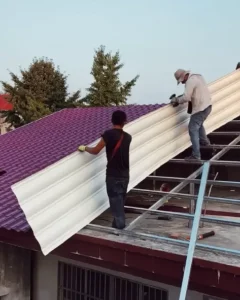
The average cost of roofing per square in San Jose reflects both material costs and regional labor rates. Understanding current market rates helps homeowners budget appropriately for roof replacements.
San Jose Roofing Square Cost Breakdown
Cost per square roofing in San Jose typically ranges from $400 to $1,200 per square, depending on materials chosen. The cost per square roofing can fluctuate based on the average cost to replace a roof in your specific area. Asphalt shingle installations represent the most affordable option, while premium materials like slate or tile command higher prices.
Here’s the current roofing square cost breakdown for San Jose:
Material Type | Cost Range Per Square | Labor Included |
Asphalt Shingles | $400 – $600 | Yes |
Metal Roofing | $800 – $1,200 | Yes |
Tile Roofing | $600 – $900 | Yes |
Slate Roofing | $900 – $1,500 | Yes |
Regional Price Variations in the California Bay Area
The average cost per square for roofing varies throughout the Bay Area due to local labor markets and permit costs. San Jose’s competitive market keeps prices moderate compared to San Francisco or Palo Alto.
Labor cost differences account for much of the regional variation. While material costs remain relatively consistent, the cost to replace a roof can vary by $200-$400 per square between different Bay Area cities.
Cost Per Square Roofing by Material Type
Different types of roofing materials dramatically affect the overall cost of your project. Asphalt shingle roofs offer the most economical option, while specialty materials increase the final cost significantly.
New roof cost calculations must account for material longevity. While a metal roof costs more initially, its 50-year lifespan often provides better long-term value than asphalt shingles requiring replacement every 20-25 years.
Premium materials like slate roof installations require specialized installation techniques, increasing both material and labor costs. The complexity of your roof can significantly influence the cost of a roof replacement.
Factors That Determine Roofing Square Price
Multiple variables influence how much roofing companies charge per square for your specific project. Understanding these factors helps homeowners anticipate their total cost to replace their existing roof.
Material Selection and Square Footage Impact
Roof size represents the primary cost driver, but the actual cost can vary with different materials. Premium materials like slate roofs or metal roofing command higher roofing square prices due to specialized installation requirements.
Asphalt shingle roofs offer the most economical option, typically costing $5 per square foot to $11 per square foot installed. However, when you replace your roof with premium materials, costs can reach $25 per square foot or more.
San Jose homeowners often choose materials based on both cost estimates and climate performance. Metal roofing provides excellent durability in the Mediterranean climate, while tile roofing offers aesthetic appeal and heat resistance.
Roof Complexity and Design Factors
The roof pitch is an important factor to consider when you need a roof replacement, affecting installation difficulty and safety requirements. Steep roofs require additional safety equipment and slower installation, increasing the cost per square roofing.
Larger roofs with simple designs often benefit from economies of scale, while smaller, complex roofs may cost more per square foot installed. The complexity of your roof influences both material waste and installation time.
Labor Costs and Installation Variables
The age of your roof also impacts costs significantly. Replacing a roof over an old roof may require additional structural work, while removing an existing roof adds disposal costs to your project.
Labor costs vary based on contractor experience, project complexity, and seasonal demand. During peak roofing season, how much roofing companies charge per square may increase due to higher demand. The cost depends on local labor markets and the specific skills required for your chosen materials.
How Much San Jose Roofers Charge Per Square
How much to charge per square for roofing depends on multiple factors specific to the San Jose market. Local contractors consider material costs, labor availability, and competitive pricing when establishing their rates.
Local Contractor Pricing Strategies
San Jose roofing contractors typically structure their pricing to remain competitive while ensuring quality work. Most contractors quote all-inclusive rates per square that cover materials, labor, and basic permits.
How much to charge for roofing per square varies by contractor experience and specialization. Established companies with strong reputations often charge premium rates, while newer contractors may offer competitive pricing.
The average roofing square price in San Jose includes:
- Material costs (60-70% of total)
- Labor expenses (25-30% of total)
- Permits and fees (5-10% of total)
San Jose Market Competition and Fair Pricing
Competition among San Jose contractors helps maintain reasonable roofing square costs. The roofing square costs can vary significantly depending on the actual cost of materials used.
How much do roofing companies charge per square reflects local market conditions. During peak season (spring and summer), prices may increase due to higher demand. Off-season installations often provide cost savings for flexible homeowners.
Getting Quotes from Licensed San Jose Contractors
Obtaining multiple quotes helps homeowners understand how much per square roofing should cost for their specific project. Licensed contractors provide detailed breakdowns showing material and labor costs separately.
Quality contractors explain their pricing per square methodology and provide references from recent projects.
Average Cost of Roofing Per Square by Project Size in San Jose
The size of the roof significantly impacts per square foot installed costs due to economies of scale. Larger roofs often benefit from reduced per-square pricing, while smaller projects may carry premium rates.
Depending on the roof size, contractors may adjust their pricing structure:
Small Projects (5-10 squares):
- $30 per square foot premium for setup costs
- Limited material discounts
- Higher proportion of fixed costs
Medium Projects (10-25 squares):
- Standard roofing square cost applies
- Moderate material discounts available
Large Projects (25+ squares):
- $3.00 per square foot potential savings
- Significant material cost reductions
The total roof replacement cost benefits from economies of scale, making larger projects more cost-effective per square foot. However, the overall cost increases proportionally with size.
Additional Costs Beyond the Basic Square Price in San Jose
Additional costs beyond basic roofing square pricing can significantly impact your final cost. These expenses add to the overall cost and should be included in your budget planning.
San Jose Permit and Inspection Costs
San Jose requires permits for most roof installations, adding $200-$500 to your project cost. Roof inspection requirements ensure work meets local building codes but represent additional expenses beyond basic roofing costs.
The city’s inspection process includes multiple stages:
- Initial permit application
- Mid-installation inspection – crucial to ensure the cost of a roof replacement remains within budget
- Final completion approval
Local Disposal and Recycling Requirements
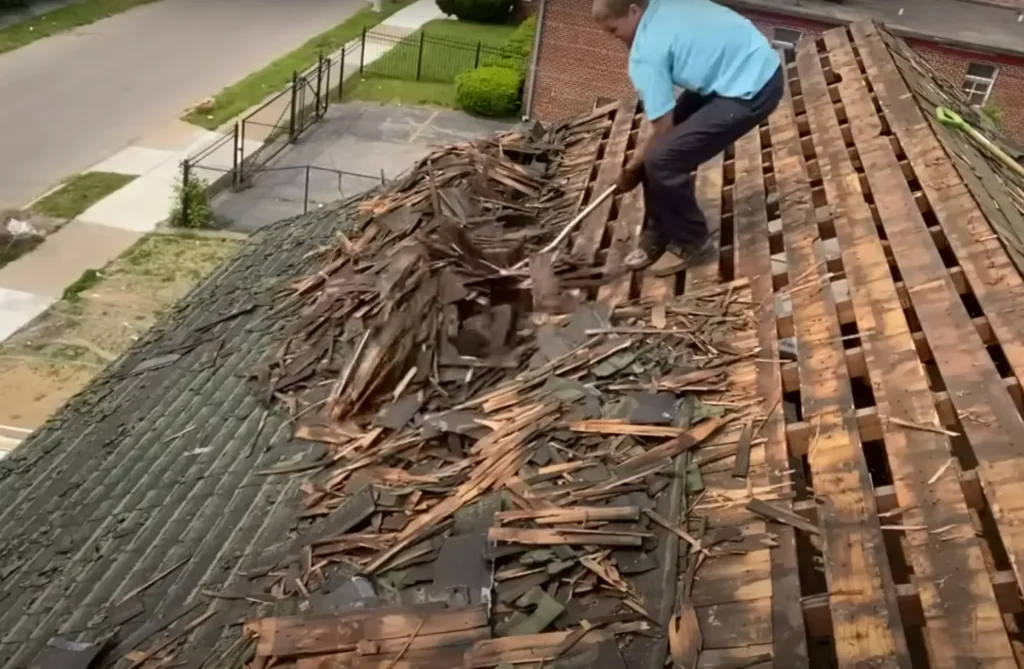
Removing the old roof creates disposal costs that add to the overall cost of your project. San Jose’s environmental regulations require proper disposal of roofing materials, particularly for asphalt shingles.
Disposal fees typically range from $50-$150 per square depending on material type and accessibility. Metal roofing removals often have lower disposal costs due to recycling value.
How to Calculate Your Roofing Square Cost
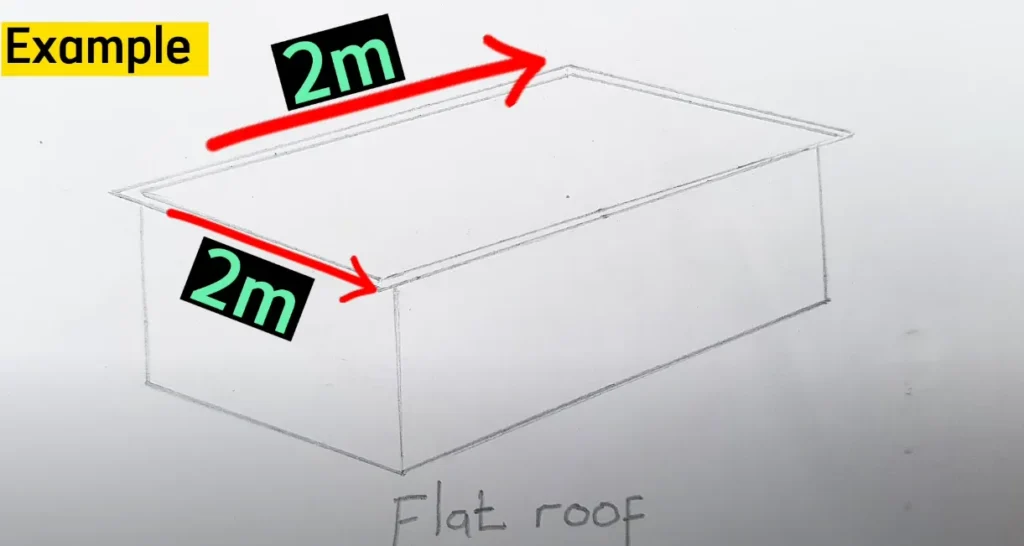
Calculating your roofing square cost requires measuring your roof accurately and understanding local pricing factors. Most homeowners benefit from professional measurements.
Professional vs. DIY Measurement Approaches
Square footage of your roof divided by 100 equals the number of roofing squares needed. However, complex roof designs require professional assessment for accurate measurements. When a home has a roof size that includes dormers or valleys, professional measurement ensures accurate cost estimates.
Professional contractors use specialized tools to calculate exact measurements, including waste factors. This precision helps determine much it will cost for your specific project.
Essential Cost Calculation Components
Cost calculation should include all project elements:
- Base material costs per square
- Installation labor cost per square
- Additional materials (underlayment, flashing, ventilation)
- Permits and inspection fees
- Disposal costs for existing roof materials
- Contingency for unexpected issues (10-15%)
Professional cost estimates provide detailed breakdowns showing exactly how much it will cost for each project component when planning to replace your roof.
Ways to Reduce Your Roofing Square Cost
Several strategies can help reduce your average roof replacement costs without compromising quality. Timing, material selection, and contractor choice all influence your total cost.
Strategic Timing for Maximum Savings
Installing a new roof during off-peak seasons (late fall through early spring) often provides cost savings. Contractors may offer discounts when their schedules are less busy, reducing your cost per square.
Storm season planning can also affect costs. The cost by location within San Jose can vary based on accessibility and local demand patterns.
Smart Material Selection Strategies
Material choices significantly impact new roof costs. While premium materials offer longer lifespans, budget-conscious homeowners can achieve good results with quality mid-range options.
“The best roofing investment balances upfront costs with long-term performance. A quality mid-range material often provides better value than the cheapest option.” – Local San Jose Contractor
Asphalt shingle roofs remain popular due to their cost effectiveness and reliable performance. Modern asphalt shingles cost has decreased while quality has improved.
Financing and Insurance Optimization
Financing options can make roof replacement more affordable by spreading costs over time. Many contractors offer payment plans, while homeowners may qualify for home improvement loans or insurance coverage for storm damage.
Insurance claims can significantly reduce out-of-pocket costs when roof replacement results from covered damage.
Why Choose Roofing San Jose for Your Project
Selecting the right contractor affects both roofing square costs and project quality. Local expertise and established reputation provide value beyond simple pricing considerations.
Local Expertise and Market Knowledge
San Jose contractors understand local building codes, weather patterns, and material requirements. Their experience with Bay Area conditions helps ensure your new roof performs well in the local climate.
Local contractors also understand permit requirements and have established relationships with city inspectors, streamlining the approval process for your roof installation.
Competitive Roofing Square Pricing in San Jose
Established San Jose contractors offer competitive roofing square pricing while maintaining quality standards. Their local presence ensures accountability and facilitates warranty service when needed.
Long-term local contractors have invested in equipment and training that enables efficient installation, potentially reducing your labor costs compared to less experienced competitors.
Roofing Square Cost: Repair vs. Replace in San Jose
Deciding between roof repair and full roof replacement requires careful cost-per-square analysis. While repairs cost less initially, the average cost of a new roof may be more economical in the long run.
When San Jose Climate Conditions Require Replacement
San Jose’s Mediterranean climate creates specific wear patterns that may necessitate full roof replacement. UV exposure and occasional storm damage can compromise roofing materials beyond economical repair.
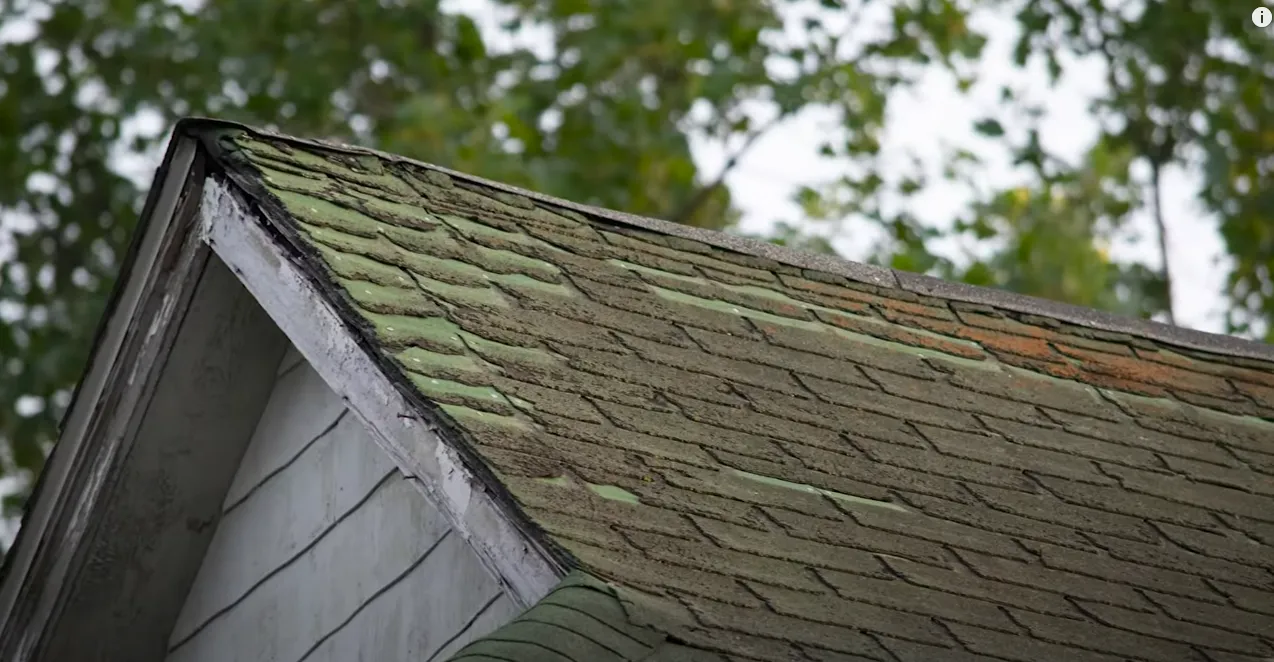
Sections of the roof showing multiple problems often indicate systemic issues requiring complete replacement. Age-related deterioration affects the entire roof structure, making selective repairs ineffective.
Cost-Per-Square Analysis for Bay Area Homes
Roof replacement costs should be compared to cumulative repair expenses over time. If repair costs exceed 50% of replacement cost, installing a new roof often provides better value.
The roof size influences the repair versus replacement decision. Larger roofs may benefit from selective