When it comes to budget-friendly roofing solutions for low-slope or flat roofs, roofing roll materials have become increasingly popular among homeowners and contractors alike. These versatile roofing systems offer a practical choice for various structures like sheds, garages, and commercial buildings. Understanding the different types of rolled roofing and their applications can help you make an informed decision for your next roofing project.
What Is Roofing Roll?
Roofing rolls are large sheets of roofing material that typically come in rolls measuring 36 inches wide and extending several feet long. This roofing solution consists of a base material coated with asphalt and often topped with granules for added protection against UV rays and weather conditions. The material is lightweight and designed to provide a waterproof barrier for flat or low-slope roofing applications.
The composition of a roll of roofing typically includes fiberglass mats or organic felt as the base layer, which is then saturated and coated with asphalt. This construction makes rolled roofing a cost-effective alternative to traditional asphalt shingles, particularly for temporary roofing needs or budget-conscious homeowners looking for functional roofing solutions.
Common Uses of Roofing Rolls in Residential and Commercial Projects
Roll roofing for flat roof applications is commonly used on various structures throughout both residential and commercial properties. Outbuildings such as sheds, garages, and workshops frequently utilize this roofing material due to its affordability and ease of installation. The simplicity of working with rolls for roofing makes it an attractive option for DIY enthusiasts and professional roofers alike.
Commercial buildings with low-slope roofing systems also benefit from rolled roofing materials, especially when budget constraints are a primary concern. The versatility of these roofing materials allows for quick installation over large areas, making them ideal for covering 100 square feet or more in a single application. However, it’s important to note that rolled roofing is typically applied to structures where aesthetics are less critical than functionality.
Types of Rolled Roofing

Understanding the different types of roofing rolls available can help you select the most appropriate material for your specific requirements. Each type offers unique characteristics and benefits depending on your roofing needs and the weather conditions in your area.
Roll On Asphalt Roofing
Traditional roll on asphalt roofing represents the most basic form of rolled roofing material. This type consists of a felt base saturated with asphalt and coated with additional asphalt layers for waterproofing. The surface is often covered with mineral granules that provide protection against UV rays and add durability to the roofing system.
This roofing solution is particularly popular for temporary roofing applications or situations where cost-effectiveness is the primary concern. The material comes in large rolls that make installation relatively straightforward, though proper seam sealing with roofing cement is essential for preventing leaks.
Fiberglass or Mineral-Surfaced Roofing Rolls
Fiberglass-based roofing rolls offer improved durability compared to traditional felt-based materials. The fiberglass mats provide better resistance to tearing and moisture absorption, making them a more durable option for long-term installations. These rolls typically feature mineral granules on the surface that come in various colors and styles.
The enhanced strength of fiberglass roofing rolls makes them suitable for areas with challenging weather conditions. While they may cost slightly more than basic asphalt rolls, the improved lifespan and performance often justify the additional investment for structures requiring longer-lasting roofing solutions.
Peel-and-Stick Rolled Roofing
Peel-and-stick rolled roofing incorporates an adhesive backing that eliminates the need for additional roofing cement during installation. This self-adhering membrane simplifies the installation process and creates a more reliable waterproof barrier. The adhesive backing bonds directly to the roof deck, reducing the likelihood of seam failures.
This type of rolled roofing is often used in modified bitumen applications and provides excellent waterproofing capabilities. The adhesive technology makes installation faster and more reliable, though it typically comes at a higher cost than traditional nail-down roofing rolls.
Advantages of Using Roofing Rolls

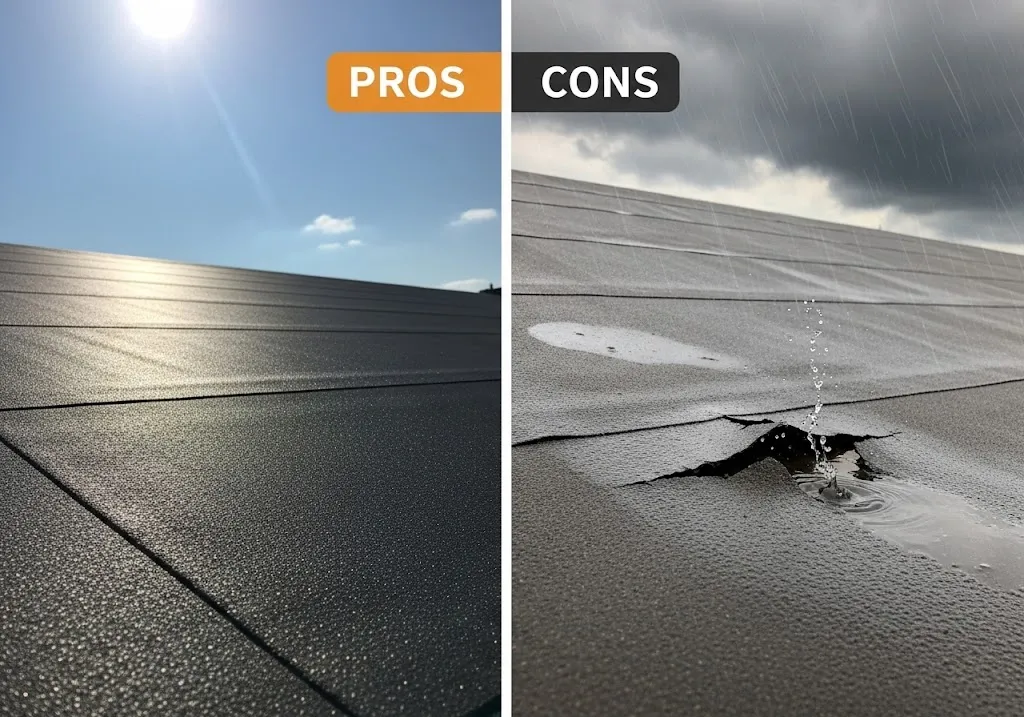
Roofing rolls offer several significant advantages that make them an attractive option for many applications. The cost-effectiveness of these materials is perhaps their most compelling feature, making good roofing accessible to budget-conscious property owners.
The ease of installation is another major benefit of rolled roofing. Unlike traditional asphalt shingles that require individual placement, roofing rolls can cover large areas quickly. A single roll typically covers significant square footage, reducing installation time and labor costs. The lightweight nature of the material also makes it easy to handle and transport to the job site.
Versatility is another key advantage of roofing rolls. These materials work well on various low-slope applications and can be adapted to different architectural requirements. The simplicity of the installation process makes rolled roofing suitable for DIY projects, though professional installation is always recommended for optimal results.
The waterproof characteristics of properly installed roofing rolls provide reliable protection against weather conditions. When combined with appropriate roofing cement at seams and edges, these materials create an effective barrier against moisture infiltration.
Disadvantages and Limitations of Rolled Roofing
Despite their advantages, roofing rolls do have several limitations that must be considered. The shorter lifespan compared to other roofing materials is a significant drawback. While traditional asphalt shingles may last 20-30 years, rolled roofing typically has a much shorter lifespan, often requiring replacement within 10-15 years.
The aesthetic limitations of rolled roofing make it less suitable for residential homes where curb appeal is important. The flat appearance lacks the dimensional character of shingles or other roofing materials, which can negatively impact resale value. This limitation makes rolled roofing primarily suitable for functional applications rather than architectural features.
Susceptibility to damage is another downside of rolled roofing. The material can be prone to punctures and tears, particularly in areas with foot traffic or falling debris. The seams between rolls can also be vulnerable points for leaks if not properly sealed and maintained.
The specific requirements for slope also limit the applications for rolled roofing. These materials are typically applied only to flat or very low-slope roofs, making them unsuitable for steep-pitched residential applications.
Roofing Roll Installation Guide
Proper installation is crucial for maximizing the performance and lifespan of rolled roofing materials. Understanding the correct techniques and following manufacturer guidelines will help ensure a successful roofing project.
Tools and Materials Needed
Before beginning installation, gather all necessary tools and materials. Essential items include roofing nails, a hammer or nail gun, utility knife, measuring tape, chalk line, and appropriate roofing cement for sealing seams. Safety equipment such as harnesses and non-slip footwear is also crucial for safe installation.
The choice of fasteners is important for proper installation. Use galvanized roofing nails that are long enough to penetrate through the decking material. The nail heads should be wide enough to prevent tearing through the roofing material under wind loads.
Step-by-Step Installation for Flat Roofs
Begin installation by preparing the roof deck surface, ensuring it’s clean, dry, and structurally sound. Any protruding nails should be hammered down, and damaged areas should be repaired before proceeding with the roofing installation.
Start at the lower edge of the roof and work upward, allowing each subsequent roll to overlap the previous one by at least 6 inches. This overlap pattern helps prevent water infiltration and creates a more reliable waterproof barrier. Secure the material with nails spaced according to manufacturer specifications, typically every 6-8 inches along edges and seams.
Apply roofing cement to all seams and overlaps to create a watertight seal. Pay particular attention to areas around penetrations, edges, and corners where leaks are most likely to occur. Proper sealing is essential for extending the lifespan of the roofing system.
Roofing Roll Costs
Understanding the cost factors associated with rolled roofing helps in budgeting for your roofing project. The price per roll varies depending on the type and quality of material selected.
Price Per Roll and Key Cost Factors
Basic roofing rolls typically cost significantly less than premium materials like modified bitumen systems. A standard roll covering 100 square feet may range from $30 to $100, depending on the specific product and regional pricing variations. Factors affecting cost include material composition, manufacturer reputation, and local market conditions.
Labor costs for installation are generally lower than other roofing materials due to the simplicity of the installation process. However, proper installation by experienced professionals is recommended to ensure optimal performance and warranty compliance.
Roofing Rolls vs. Shingles or TPO/EPDM
When compared to other roofing materials, rolled roofing offers significant cost savings upfront. Traditional asphalt shingles typically cost 2-3 times more than rolled roofing when considering both material and installation costs. However, the shorter lifespan of rolled roofing means more frequent replacement cycles.
TPO and EPDM membrane systems offer better longevity but at substantially higher initial costs. The choice between these materials often depends on the intended use of the structure and long-term budget considerations.
Roofing Roll Maintenance and Longevity Tips
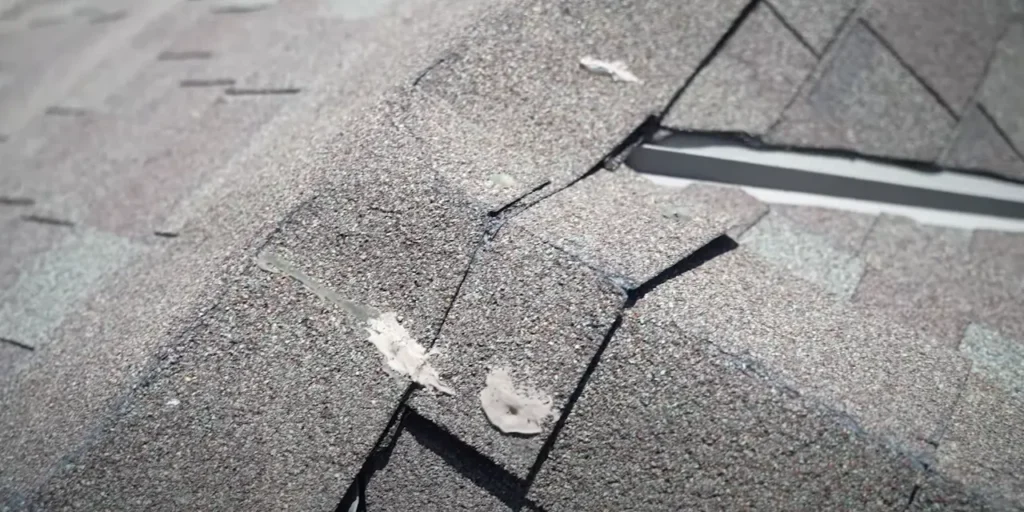
Proper maintenance can significantly extend the lifespan of rolled roofing systems. Regular inspections and prompt repairs help prevent minor issues from becoming major problems.
Regular Inspections and Quick Repairs
Conduct seasonal inspections to identify potential issues such as loose seams, damaged areas, or debris accumulation. Look for signs of granule loss, cracking, or separation at seams. Address any problems immediately to prevent water infiltration and structural damage.
Keep the roof surface clean and free of debris that could trap moisture or cause punctures. Trim overhanging tree branches that might damage the roofing material during storms. Consider applying roof coatings periodically to extend the material’s lifespan and improve weather resistance.
Roofing San Jose: Why Choose Local Professionals
Working with local roofing professionals in San Jose provides several advantages for your roofing project. Local contractors understand regional weather conditions and building codes specific to the area.
Benefits of Hiring Roofing Contractors in San Jose
Local roofers in San Jose have experience with the unique challenges posed by California’s climate and building requirements. They understand the specific needs of structures in the region and can recommend appropriate materials and installation techniques.
Professional installation ensures compliance with local building codes and manufacturer warranties. Experienced contractors can also identify potential issues during installation and address them before they become costly problems.
Final Thoughts on Roofing Rolls
Roofing rolls represent a practical and cost-effective solution for many low-slope roofing applications. While they may not offer the longevity or aesthetic appeal of premium roofing materials, their affordability and ease of installation make them valuable for appropriate applications.
The key to success with rolled roofing lies in understanding its limitations and ensuring proper installation and maintenance. When used appropriately, these materials can provide reliable protection for sheds, garages, and other outbuildings while staying within budget constraints.
Frequently Asked Questions About Roofing Rolls
How long does rolled roofing last?
The lifespan of rolled roofing typically ranges from 10 to 15 years, depending on the quality of materials, installation techniques, and local weather conditions. Proper maintenance and regular inspections can help maximize the material’s longevity.
Can I install a roll of roofing on my own?
While rolled roofing is designed for easier installation than many other roofing materials, proper techniques are essential for optimal performance. DIY installation is possible for experienced individuals, but professional installation is recommended to ensure warranty compliance and proper weatherproofing.
Is rolled roofing good for residential homes?
Rolled roofing is primarily suited for low-slope or flat roof applications and is commonly used on outbuildings rather than main residential structures. The aesthetic limitations and shorter lifespan make it less ideal for primary residential roofing where curb appeal and longevity are important factors.
What type of roof is best for rolls of roofing?
Flat roofs and very low-slope applications are best suited for rolled roofing materials. The slope should typically be less than 2:12 for optimal performance. Steeper slopes require different roofing materials and installation techniques.
How much does a roll of roofing cost in San Jose?
Roofing roll costs in San Jose vary depending on the specific material type and supplier, but typically range from $30 to $100 per roll covering 100 square feet. Professional installation costs additional, but local contractors can provide accurate estimates based on your specific project requirements.