Planning a roofing project requires understanding the fundamentals of roofing materials and coverage calculations. Whether you’re a homeowner preparing for roof replacement or a contractor estimating materials, knowing how many shingles are in a bundle is essential for accurate project planning. This comprehensive guide covers everything you need to know about shingle bundles, coverage areas, and calculating the right amount of roofing material for your project.
How Many Roofing Shingles Are in a Bundle?
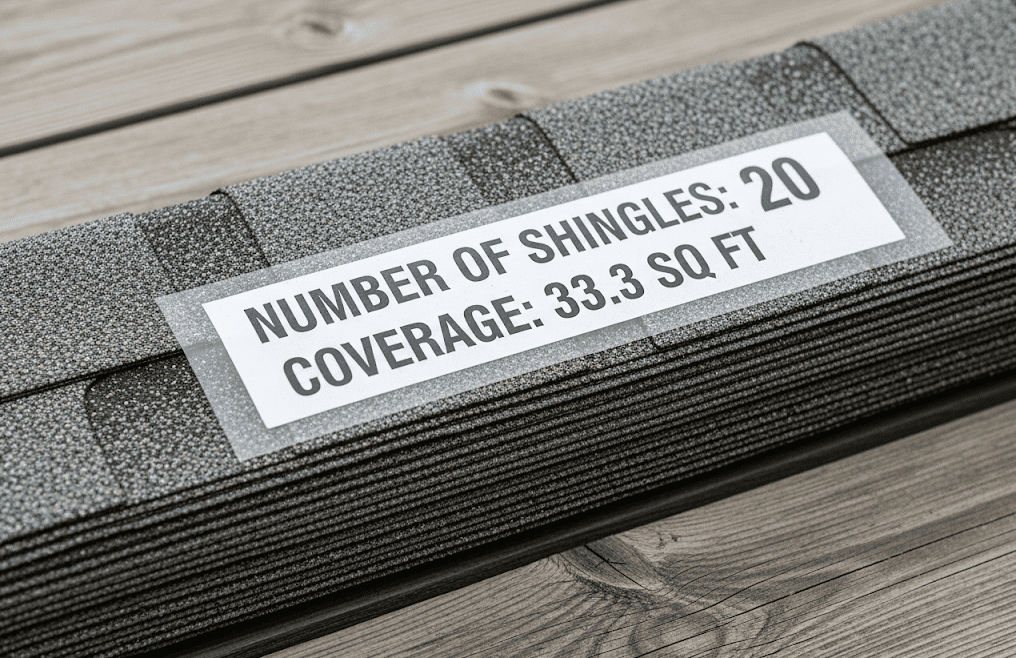
The number of shingles per bundle varies significantly depending on the type of shingle you choose. Traditional three-tab shingles typically contain 26-29 shingles per bundle, while architectural shingles usually have fewer individual pieces due to their larger size and thickness. Understanding these differences helps you determine how many bundles of shingles you’ll need for your specific roofing project.
Most roofing manufacturers package shingles in bundles designed to make installation and transportation more manageable. A standard bundle of shingles weighs between 50-80 pounds, making it possible for roofers to carry them safely up ladders and across roof surfaces.
Standard Shingle Count by Type
Different types of roofing shingles come with varying numbers per bundle:
3-Tab Asphalt Shingles: These basic shingles typically contain 26-29 shingles per bundle. They’re the most economical option and cover approximately 33 square feet per bundle.
Architectural Shingles: Also known as laminated shingles, these premium options usually contain 21-26 shingles per bundle. Despite having fewer individual pieces, they provide the same coverage area as 3-tab shingles due to their larger dimensions.
Specialty Shingles: Hip and ridge shingles, designer shingles, and other specialty products have different counts per bundle, often ranging from 20-30 pieces depending on their specific design and intended application.
The number of shingles in a bundle is carefully calculated by manufacturers to ensure consistent coverage and efficient installation processes.
Understanding Roofing Measurements
Roofing professionals use specific terminology when discussing coverage areas. A “square” in roofing equals 100 square feet of roof area. This standardized measurement helps contractors and homeowners calculate materials consistently across different projects and regions.
When determining how many square feet of roofing shingles you need, it’s important to measure accurately and account for the roof’s complexity. Simple gable roofs are easier to calculate than complex designs with multiple dormers, valleys, and angles.
Most roofing material calculations start with measuring the total square footage of your roof, then converting that measurement into roofing squares for easier material ordering and cost estimation.
How Many Square Feet in a Bundle of Roofing Shingles?
When asking “how many square feet of roofing shingles in a bundle,” the answer is typically 33 square feet for most standard asphalt shingles. A bundle of roofing shingles coverage equals approximately this amount, though it can vary slightly between manufacturers and shingle types. Understanding how many square feet are in a roofing bundle helps you calculate total material needs accurately. Some bundles may cover 32-34 square feet, depending on the shingle dimensions and overlap requirements.
Average Bundle Coverage Area
A standard bundle covers about 33 square feet of roof area when installed with proper overlap. This coverage calculation includes the exposure area of each shingle while accounting for the necessary overlap that ensures weather protection. Many homeowners wonder how many square feet are in a pack of roofing shingles, and the answer remains consistent at approximately 33 square feet, whether you call it a bundle or a pack.
Understanding bundle coverage helps you calculate how many bundles you’ll need for your project. For example, if your roof measures 1,500 square feet, you’ll need approximately 45-46 bundles of standard asphalt shingles.
Bundle of Roofing Shingles Coverage for Different Roof Types
The actual coverage from a bundle of shingles can vary based on roof characteristics:
- Simple gable roofs: Standard coverage of 33 square feet per bundle
- Hip roofs: Slightly reduced coverage due to angled cuts and waste
- Complex roofs with dormers: Reduced coverage due to additional cuts and fitting requirements
- Steep-pitch roofs: May require additional overlap, reducing effective coverage
Roof complexity directly impacts how efficiently you can use each bundle of shingles, affecting your total material requirements.
How Many Bundles of Roofing in a Square?
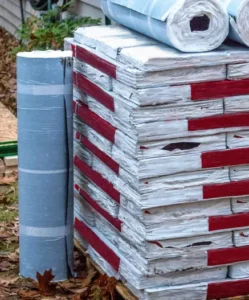
Three bundles typically cover one roofing square (100 square feet). This standard relationship makes it easy to calculate material needs: simply multiply your roof’s square footage by three to determine the number of bundles required. When considering how many roofing squares in a bundle, remember that each bundle covers approximately 1/3 of a roofing square, making the math straightforward for project planning.
How Many Roofing Bundles Per Square for Different Shingle Types
While three bundles per square is standard for most asphalt shingles, some variations exist:
Standard 3-Tab Shingles: Exactly three bundles to cover one square Architectural Shingles: Three bundles per square, despite having fewer individual shingles Premium Shingles: May require 3-4 bundles per square depending on design Specialty Applications: Hip and ridge shingles have different coverage calculations
Many shingle bundles are specifically designed to maintain this three-bundle-per-square relationship, ensuring consistent ordering and installation processes.
How to Calculate How Many Roofing Bundles You Need
Calculating the number of bundles for your roofing project involves several steps to ensure accuracy and account for waste material.
Step 1: Measure Your Roof Area
Start by measuring each section of your roof separately. For simple rectangular sections, multiply length by width. For triangular sections, use the formula: (base × height) ÷ 2. Add all sections together to get your total square footage of roof area.
Don’t forget to measure dormers, overhangs, and other roof features that require shingle coverage. Accurate measurements are crucial for determining the correct number of bundles needed.
Step 2: Convert Roof Area to Squares
Divide your total square footage by 100 to convert to roofing squares. For example, a 2,400 square foot roof equals 24 squares. This conversion simplifies material calculations and helps when discussing your project with roofing contractors.
Step 3: Determine Bundles and Add for Waste
Multiply your roof squares by three to get the base number of bundles needed. Then add 10-15% extra bundles to account for waste, cuts, and potential mistakes during installation.
For complex roofs with many angles and features, consider adding 15-20% extra material to ensure you don’t run short during installation.
Tips for Ordering the Right Amount of Shingles
When ordering shingles, consider these factors:
- Order all materials from the same manufacturer lot to ensure color consistency
- Account for future repairs by ordering a few extra bundles
- Consider your installer’s experience level when calculating waste factors
- Check delivery timing to avoid weather delays that could affect your project schedule
Many roofing suppliers offer quantity discounts, making it cost-effective to order slightly more material than your minimum calculation suggests.
Factors That Affect Shingle Bundle Coverage
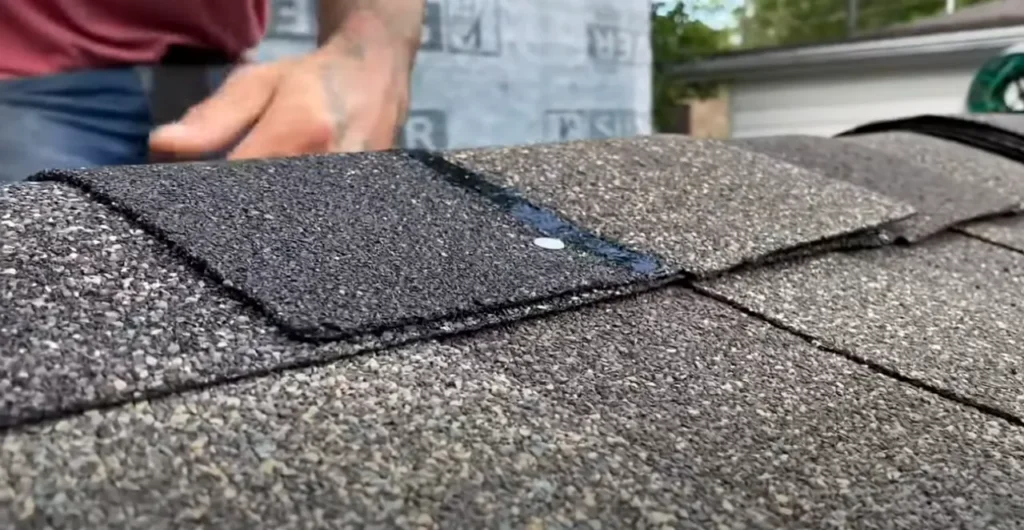
Several factors can reduce the effective coverage you get from each bundle of shingles, impacting your total material requirements.
Roof Pitch and Complexity
Steep roofs require more careful installation and may result in more waste material. Complex roof designs with multiple valleys, dormers, and angles require additional cutting and fitting, reducing the usable coverage from each bundle.
Hip roofs typically require more material than simple gable roofs of the same square footage due to the angled cuts needed at the hip lines.
Weather Conditions and Installation Timing
Installation conditions can affect material usage. Extremely cold weather makes shingles brittle and more prone to breaking during installation, potentially increasing waste. Hot weather can make shingles more flexible but may also lead to installation challenges.
Proper storage and handling of shingle bundles help minimize waste and ensure you get full coverage from your materials.
Roofing San Jose: Why Choose Local Experts
Local roofing contractors in San Jose understand the specific requirements and challenges of Bay Area roofing projects, from seismic considerations to local building codes.
Benefits of Hiring Roofing Contractors in San Jose
Professional roofers bring expertise in material selection, accurate calculations, and efficient installation. They understand local weather patterns, building requirements, and can help you choose the right type of shingles for your specific needs.
Experienced contractors can also provide accurate estimates of material needs, reducing waste and ensuring your project stays within budget while meeting all quality standards.
Conclusion: Plan Your Roof Project with Accurate Shingle Calculations
Understanding how many shingles are in a bundle and calculating coverage requirements accurately ensures your roofing project proceeds smoothly. Remember that most bundles cover approximately 33 square feet, with three bundles needed to cover one roofing square.
Whether you’re installing traditional three-tab shingles or premium architectural shingles, proper calculation and material planning are essential for project success. Consider working with experienced roofing professionals who can help ensure accurate measurements and efficient installation.
FAQ About Roofing Shingle Bundles
How many 3-tab shingles are in a bundle?
A bundle of 3-tab shingles typically contains 26-29 individual shingles. The exact number varies by manufacturer, but the bundle is designed to cover approximately 33 square feet of roof area when properly installed.
How many square feet does a bundle of roofing shingles cover?
Most bundles of roofing shingles cover about 33 square feet of roof area. This coverage accounts for proper overlap and exposure necessary for weather protection. Some specialty shingles may have slightly different coverage areas.
How many bundles of roofing are in a square?
Three bundles of roofing shingles equal one roofing square (100 square feet). This standard relationship applies to most asphalt shingles, whether 3-tab or architectural styles.
How to calculate shingle waste for a new roof?
Add 10-15% to your base material calculation for standard roofs, or 15-20% for complex roofs with many angles and features. This accounts for cuts, mistakes, and future repair needs. Always round up to whole bundles when ordering.
Can I install roofing shingles myself?
While DIY installation is possible, roofing requires specific skills, safety equipment, and knowledge of local building codes. Professional installation ensures proper technique, warranty coverage, and safety compliance. Consider your experience level and the complexity of your roof before deciding.