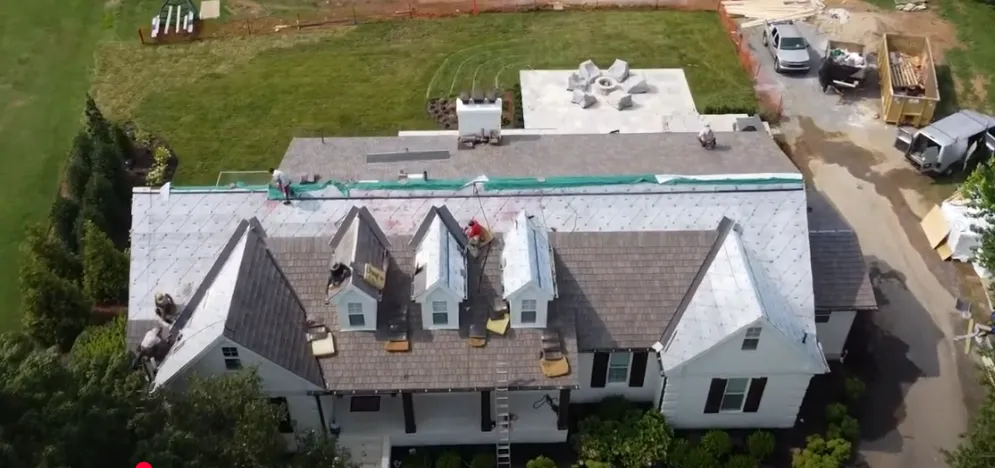
When considering a new roof for your home, cedar roofing stands out as a premium roofing option that combines natural beauty with exceptional durability. This comprehensive guide explores the pros and cons of cedar shake roofing, helping homeowners make an informed roofing decision. Cedar shakes and shingles offer a timeless aesthetic appeal, but understanding their benefits and drawbacks is essential before investing in this quality roofing material.
What Is Cedar Roofing?
Cedar roofing represents one of the most beautiful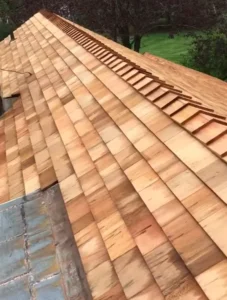 roofing systems available today, crafted from natural cedar wood that provides both functionality and stunning curb appeal. A cedar shake roof is a premium roof system that has protected homes for centuries, with western red cedar being the most popular choice among cedar roofing materials.
Cedar Shingles vs. Cedar Shakes: Key Differences
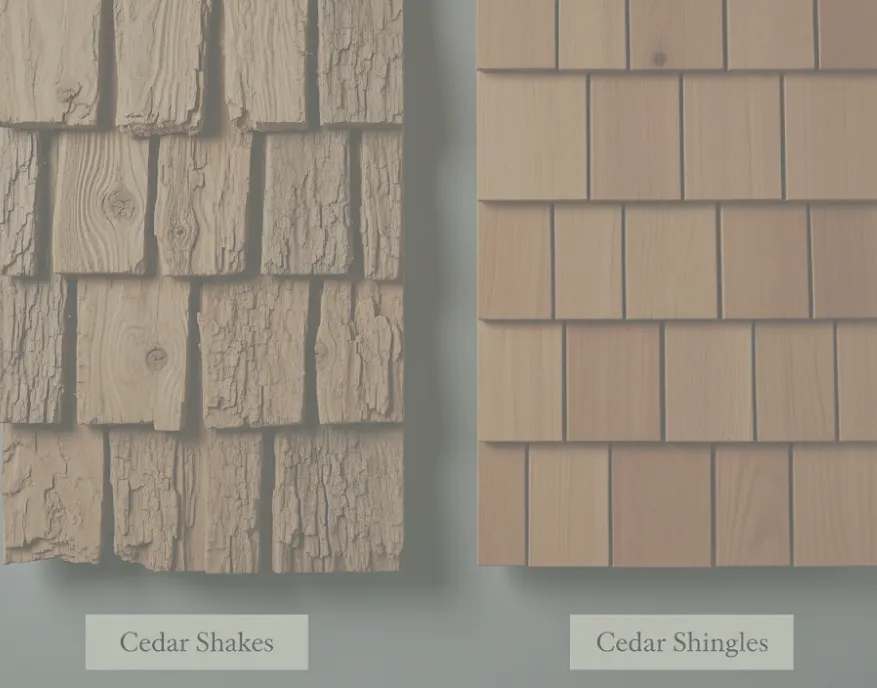
The primary difference between cedar shingles and shakes lies in their manufacturing process and appearance. Cedar shingles are machine-cut with smooth, uniform surfaces and straight grain patterns. These shingles and shakes create a more refined, consistent look that works well with traditional architectural styles.
Cedar shakes, on the other hand, are hand-split or sawn, creating a more rustic, textured appearance. The natural cedar shake manufacturing process results in varied thickness and irregular surfaces that give homes a distinctive, organic character. Quality cedar shakes typically range from 3/8 inch to 3/4 inch in thickness, while shingles maintain more uniform dimensions.
How Cedar Shake Roofing Shingles Are Made
Cedar shake roofing shingles are naturally made from carefully selected cedar trees, primarily western red cedar known for its durability and natural resistance to insects and decay. The manufacturing process begins with harvesting mature cedar trees that have developed the straight grain essential for quality shakes and shingles.
Shake manufacturers don’t keep stockpiles of pre-made products; instead, they cut cedar products to order, ensuring freshness and quality. The production involves splitting cedar logs along the grain to create individual shakes, then kiln-drying them to achieve optimal moisture content. This process preserves the natural oils that give cedar its distinctive color and protective properties.
Popular Uses and Styles of Roofing Cedar
Roofing with cedar shakes complements various architectural styles, from rustic cabins to contemporary homes. Popular applications include steep-slope roofing systems where the natural cedar look enhances the home’s aesthetic appeal. Cedar roofing works exceptionally well in the right climate, particularly in areas with moderate rainfall and good air circulation.
The Pros of Cedar Roofing
Cedar roofing offers numerous advantages that make it an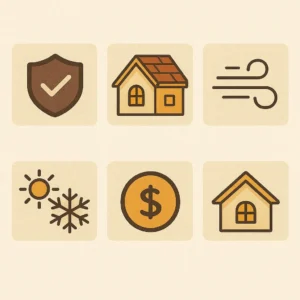 attractive roofing option for discerning homeowners. Understanding these benefits helps explain why many consider it the right roofing material despite higher initial costs.
Natural Beauty and Curb Appeal
The beauty of cedar roofing lies in its natural variation and organic appearance that synthetic materials cannot replicate. New cedar starts with a warm, honey-colored hue that gradually weathers to an elegant silver-gray patina. This natural aging process creates character that enhances a home’s curb appeal over time.
Cedar shake roof installation immediately transforms any home’s appearance, creating a premium look that increases property value. The natural cedar shake texture catches light differently throughout the day, creating visual interest that flat roofing materials cannot match. Each installed shake contributes to a unique pattern that makes every cedar roof distinctive.
Durability and Weather Resistance
A properly installed cedar shake roof demonstrates remarkable durability, with many lasting 30-50 years with appropriate maintenance. Cedar roofing materials contain natural preservatives that resist rot, decay, and insect damage. The straight grain structure of quality cedar allows it to expand and contract with temperature changes without splitting.
Cedar shakes handle severe weather conditions exceptionally well, including hail damage that might destroy other roofing materials. The natural flexibility of cedar wood absorbs impact better than brittle materials, reducing the likelihood of punctures or cracks during storms.
Energy Efficiency and Insulation Benefits
Cedar roofing provides excellent insulation properties that help reduce heating and cooling costs throughout the year. The natural insulation value of cedar wood, combined with the air pockets created by the shake installation process, creates an effective thermal barrier.
This energy efficiency benefit becomes particularly apparent during extreme temperatures, when cedar roofing helps maintain comfortable indoor conditions while reducing strain on HVAC systems. The natural cedar roofing system can contribute to lower utility bills over the roof’s service life.
Eco-Friendly and Sustainable Roofing Material
Cedar represents an environmentally responsible roofing choice, as it comes from sustainably managed forests and is completely biodegradable. Unlike synthetic roofing materials that end up in landfills, cedar shakes and shingles can decompose naturally at the end of their service life.
The harvesting and processing of cedar roofing materials requires less energy than manufacturing synthetic alternatives, reducing the overall environmental impact. Choosing cedar products supports sustainable forestry practices and renewable resource management.
The Cons of Cedar Roofing
While cedar roofing offers many benefits, homeowners must also consider several drawbacks before making their final decision. Understanding these limitations helps ensure realistic expectations and proper planning.
Maintenance Requirements
Cedar shake roof maintenance requires more attention than many other roofing materials. Regular cleaning prevents moss and algae growth that can retain moisture and accelerate decay. Homeowners must budget for periodic treatments to maintain the cedar’s natural protective properties.
The maintenance schedule typically includes annual inspections, debris removal, and occasional replacement of individual shakes that show signs of wear and tear. This ongoing maintenance requirement represents both time and financial commitments that some homeowners find challenging.
Cost Compared to Other Roofing Materials
Cedar roofing costs significantly more than standard asphalt shingles, both for materials and installation. The cost per square foot for cedar shake roofing can be three to five times higher than conventional roofing options, making it a substantial investment.
Installation costs increase due to the specialized knowledge required for proper cedar roof installation. Finding qualified roofing contractors experienced with cedar work may be challenging in some areas, potentially driving up labor costs further.
Fire Resistance and Treatment Needs
Natural cedar has lower fire resistance compared to treated alternatives or synthetic materials. Many building codes now require fire-retardant treatments for cedar roofing in fire-prone areas, adding to the overall cost and potentially affecting the natural appearance.
Even with treatment, cedar roofing may not be suitable for all climates or locations, particularly areas with high wildfire risk. Some insurance companies may charge higher premiums for homes with cedar roofs due to fire concerns.
Climate and Moisture Considerations
Cedar roofing performs best in specific climate conditions. Areas with excessive moisture or poor air circulation can promote moss growth and accelerate decay. Conversely, extremely dry climates may cause cedar to crack or split prematurely.
Proper ventilation becomes critical with cedar roofing systems to prevent moisture buildup that could lead to rot or other damage. The right climate for cedar includes moderate humidity levels and adequate air movement to keep the roofing materials dry.
Types of Cedar Roofing Shakes and Shingles
Premium Grade Cedar Shakes and Shingles
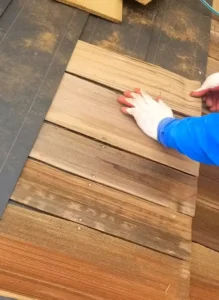
Premium grade shakes represent the highest quality cedar roofing materials available, featuring clear, straight grain with minimal defects. These grade shakes offer the longest service life and best appearance, making them ideal for high-end residential applications.
Premium cedar products command higher prices but provide superior durability and aesthetic appeal. The investment in quality materials often pays dividends through extended roof life and reduced maintenance requirements.
Standard Grade Cedar Roofing Options
Grade shingles in the standard category provide good value while maintaining acceptable quality standards. These cedar roofing materials may include minor imperfections that don’t significantly impact performance but allow for more affordable pricing.
Standard grade options work well for many residential applications where budget considerations balance quality requirements. Proper installation and maintenance can ensure excellent performance from these cedar products.
Western Red Cedar vs. Other Cedar Types
Western red cedar remains the gold standard for cedar roofing due to its natural durability and resistance properties. This cedar species contains natural extractives that repel insects and resist decay, making it ideal for roofing applications.
While other cedar types are available, western red cedar consistently delivers the best combination of beauty, durability, and weather resistance for roofing systems.
Installation Process for Cedar Shake Roofing
Professional Cedar Roof Installation Requirements
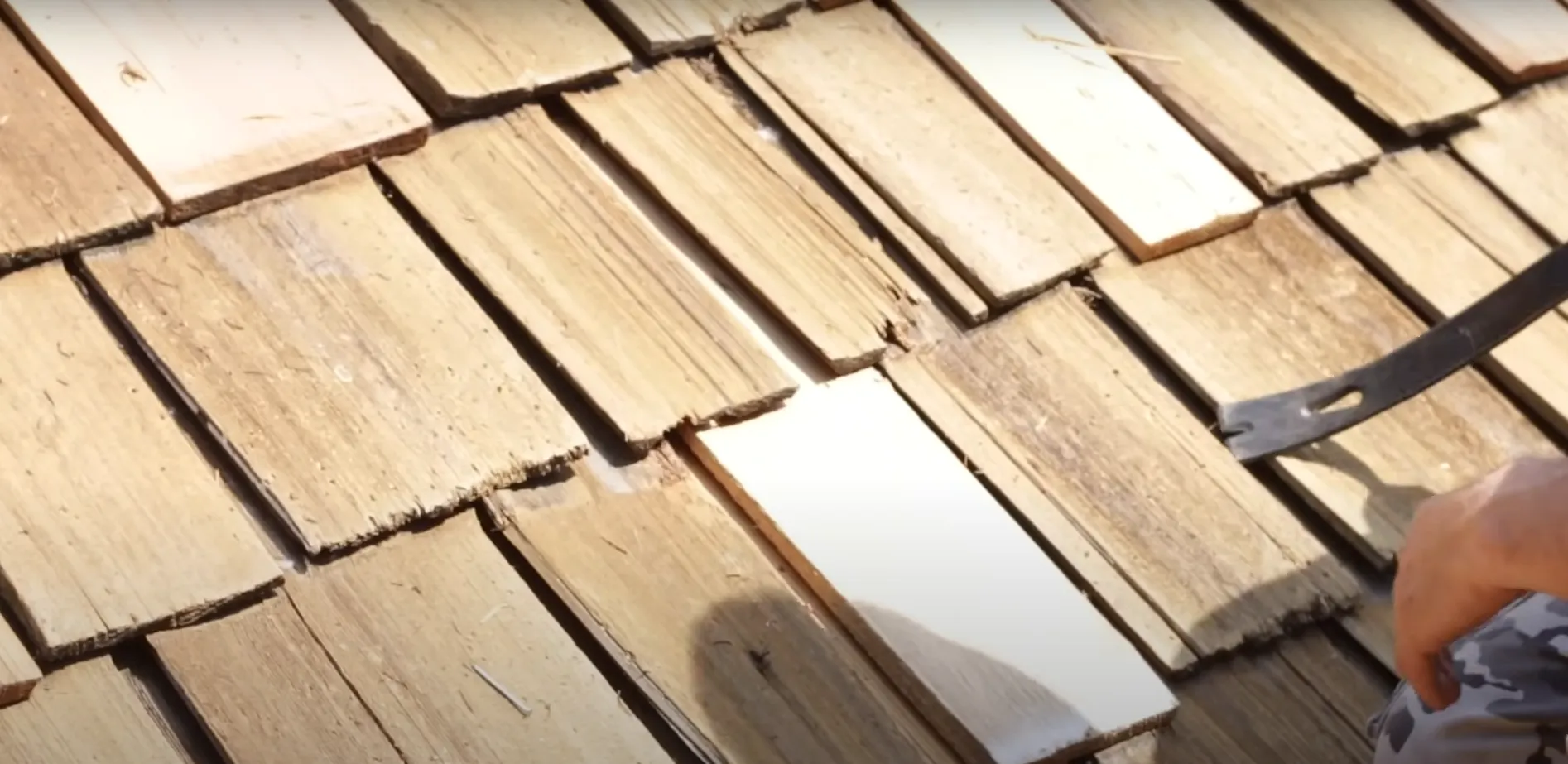
Cedar shake roof installation demands specialized expertise that goes beyond standard roofing techniques. Proper installation requires understanding cedar’s unique characteristics, including expansion patterns and moisture management needs.
The installation process involves creating proper ventilation channels, ensuring adequate spacing between shakes, and using appropriate fasteners that won’t cause splitting or other damage. Professional installation helps ensure the manufacturer warranty remains valid.
Roofing Contractor Selection Tips
Choosing the right roofing contractor for cedar installation is crucial for project success. Look for contractors with specific experience in cedar roofing who can provide references from recent cedar projects. Verify licensing, insurance coverage, and manufacturer certifications.
A qualified contractor should conduct a thorough assessment of your home’s suitability for cedar roofing, including structural considerations and local building code requirements.
Cedar Roofing Costs and Long-Term Value
Cost Per Square Foot Analysis
Cedar roofing costs typically range from $8-15 per square foot for materials alone, with installation adding another $5-10 per square foot. Premium grade materials and complex roof configurations can increase costs further.
Cost Breakdown:
- Materials: $8-15 per square foot
- Labor: $5-10 per square foot
- Additional costs: Underlayment, flashing, permits
- Total range: $13-25 per square foot installed
Long-Term Investment and Service Life
Despite higher initial costs, cedar roofing can provide excellent long-term value through extended service life and energy savings. A well-maintained cedar roof may last 30-50 years, compared to 15-25 years for asphalt shingles.
The entire roofing investment should be evaluated over its expected lifespan, including maintenance costs and potential energy savings. Many homeowners find that cedar roofing pays for itself through longevity and performance benefits.
Maintaining Your Cedar Shake Roofing
Cleaning and Preventing Moss Growth
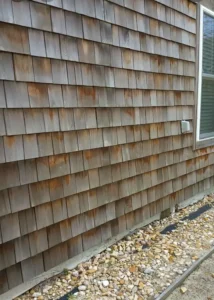
Regular cleaning prevents moss and algae accumulation that can damage cedar roofing materials. Use gentle cleaning methods that don’t damage the wood, avoiding pressure washing that can cause splitting or surface damage.
Apply moss prevention treatments annually in areas prone to growth, focusing on north-facing slopes and areas with limited sun exposure.
Regular Inspections and Repairs
Schedule professional inspections at least twice yearly to identify issues before they become major problems. Look for loose or damaged shakes, signs of pest activity, and areas where moss or debris has accumulated.
Prompt repair and replacement of damaged shakes prevents water infiltration and extends the overall roof life.
Extending the Lifespan of Cedar Roofing Shakes
Proper maintenance can significantly extend cedar roofing service life. This includes maintaining adequate ventilation, keeping gutters clean, and trimming overhanging branches that might damage the roof or trap moisture.
Consider periodic treatment with cedar-specific preservatives to maintain the natural protective properties of the wood.
Roofing San Jose: Why Choose Local Cedar Roofing Experts
Local Climate Expertise for Cedar Roofs
San Jose’s Mediterranean climate provides ideal conditions for cedar roofing, with moderate rainfall and excellent air circulation. Local roofing contractors understand how cedar performs in this specific climate and can recommend appropriate maintenance schedules.
The mild temperatures and low humidity in the San Jose area help cedar roofing materials maintain their integrity while developing the attractive weathered patina that homeowners appreciate.
Professional Cedar Installation Services
Roofing San Jose specialists offer comprehensive cedar roofing services, from initial consultation through installation and ongoing maintenance. Local expertise ensures compliance with building codes and proper adaptation to regional weather patterns.
Professional installation includes proper ventilation design, moisture barrier installation, and coordination with local permitting requirements. This attention to detail helps ensure optimal performance and longevity from your cedar roofing investment.
Is Cedar Roofing Right for Your Home?
Architectural Styles That Match Cedar Shakes
Cedar roofing complements various architectural styles, particularly those emphasizing natural materials and organic design elements. Tudor, Craftsman, ranch, and contemporary homes all benefit from cedar’s natural beauty and versatility.
Consider your home’s existing materials and overall design aesthetic when evaluating cedar roofing compatibility.
Balancing Budget, Style, and Maintenance
The decision to invest in quality materials like cedar requires balancing initial costs against long-term benefits. Consider your budget for both installation and ongoing maintenance when making this roofing decision.
Factor in the potential increase in property value and energy savings when evaluating the total cost of ownership.
Making the Final Decision
Considering a cedar roof involves weighing multiple factors, including budget, maintenance commitment, local climate, and aesthetic preferences. Remember that a cedar roof represents a significant investment that can enhance your home’s beauty and value for decades.
Consult with experienced roofing contractors to assess your specific situation and determine if it’s the right roofing material for your home.
Bringing Timeless Beauty to Your Roof
Cedar roofing offers a unique combination of natural beauty, durability, and environmental responsibility that appeals to discerning homeowners. While the initial investment and maintenance requirements are higher than conventional roofing materials, the long-term benefits often justify the cost. The beauty of cedar, combined with its excellent performance characteristics, makes it an attractive choice for those seeking a premium roofing solution that will enhance their home’s appeal for generations to come.