When selecting the right roofing material for your property, the choice between modified bitumen vs roll roofing often becomes a critical decision for homeowners and commercial property owners alike. Both roofing solutions offer unique advantages, but understanding their differences is essential for making an informed choice that suits your specific needs and budget constraints.
Understanding the Difference Between Rolled Roofing and Modified Bitumen
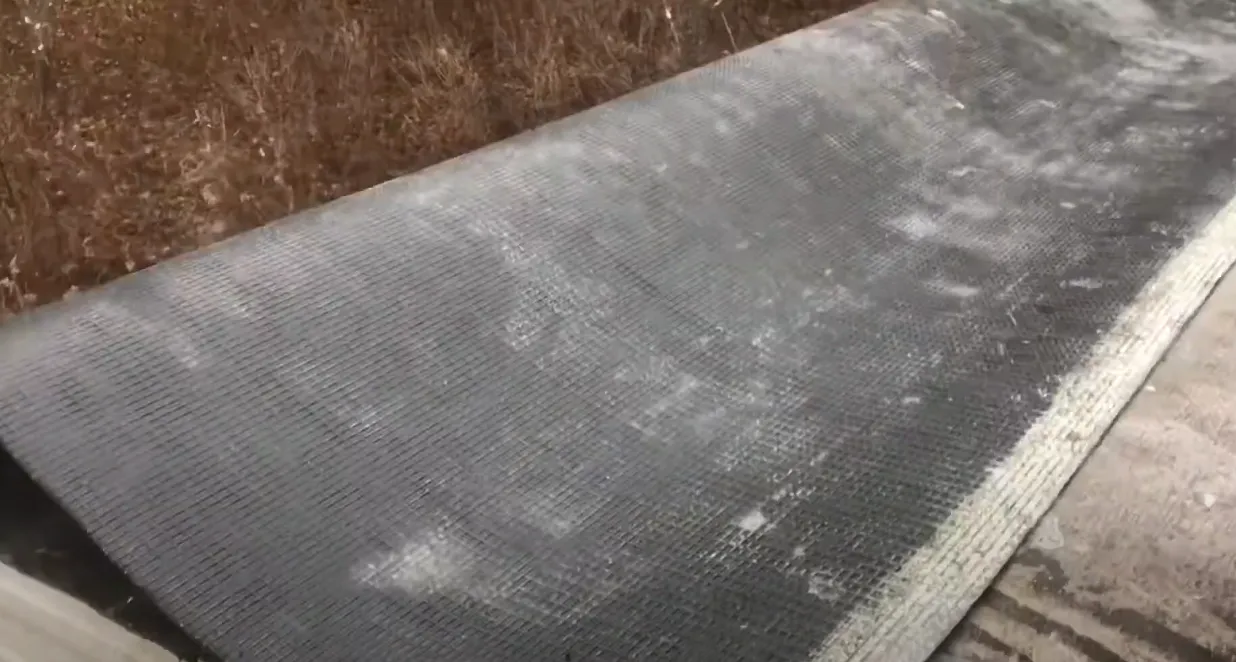
The fundamental difference between rolled roofing and modified bitumen lies in their composition and enhanced durability features. Roll roofing consists of asphalt-saturated felt with mineral granules on the surface, making it a basic yet cost-effective solution for low-slope applications. This roofing material typically comes in large rolls that can cover significant square footage quickly during installation.
Modified bitumen roofing, on the other hand, represents an advanced roofing system that incorporates rubber or plastic polymers to enhance flexibility and weather resistance. This composition creates a highly durable membrane that can withstand extreme weather conditions while maintaining its waterproof integrity over extended periods.
Modified Bitumen and Roll Roofing: Key Differences Explained
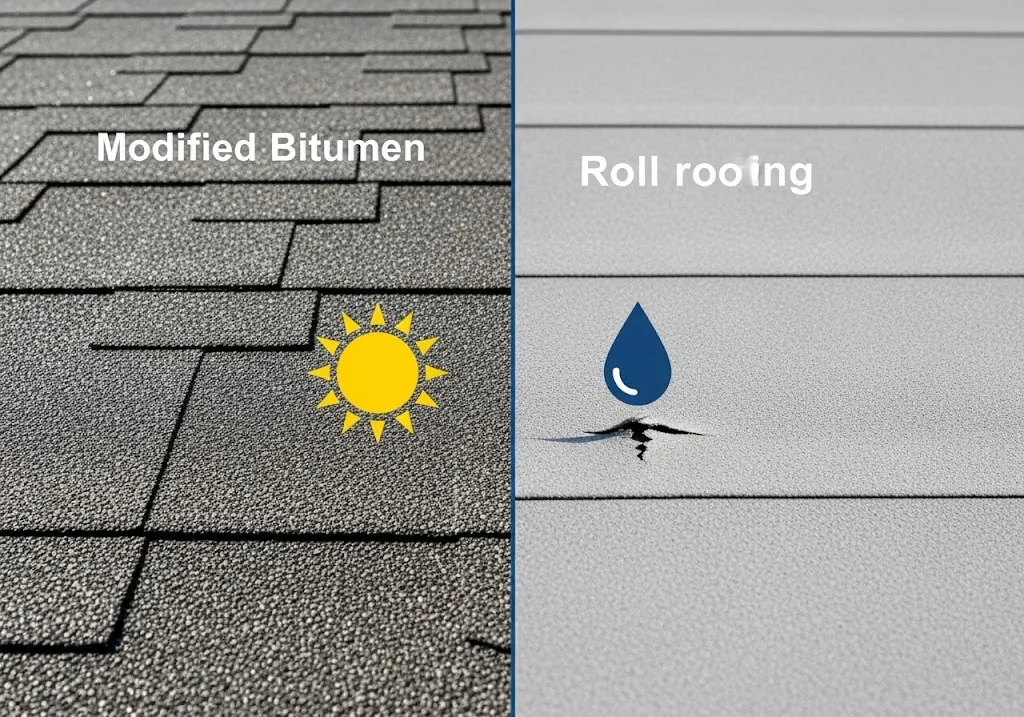
The primary distinction in the mod bit vs roll roofing debate centers around material composition and performance characteristics. Modified bitumen roofing offers superior protection through its multi-layer construction, which includes reinforcement materials like fiberglass or polyester. This roofing system typically lasts longer and provides better resistance to temperature fluctuations, UV radiation, and impact damage.
Roll roofing, while more affordable initially, lacks the sophisticated polymer enhancement found in modified bitumen systems. However, it remains a suitable option for temporary structures, sheds, or garage applications where budget constraints are paramount, and long-term durability isn’t the primary concern.
Modified Bitumen vs Roll Roofing: Pros and Cons of Each Material
Advantages of Modified Bitumen Roofs
Modified bitumen roofing provides exceptional durability that typically lasts 15-20 years with proper maintenance. The flexible nature of this roofing material allows it to expand and contract with temperature changes without developing cracks or compromising the waterproof barrier. Installation methods for modified bitumen can include torch application, cold adhesive, or self-adhering membranes, giving contractors flexibility based on project requirements.
The enhanced weather resistance makes modified bitumen particularly suitable for flat roofs and commercial buildings exposed to extreme climate conditions. Professional installation ensures proper application of multiple layers, creating a robust roofing system that offers superior protection against water infiltration and structural damage.
Drawbacks of Modified Bitumen Roofs
The primary disadvantage of modified bitumen involves higher upfront costs compared to traditional roll roofing. Installation requires specialized equipment and experienced professionals, which increases labor expenses. The application process can be more complex, particularly when using torch-applied methods that require careful attention to safety protocols.
Benefits of Roll Roofing
Roll roofing offers significant cost advantages, making it an attractive option for homeowners on a tight budget. The installation process is relatively straightforward, requiring basic tools and equipment that don’t necessitate extensive professional training. This roofing solution provides adequate protection for structures with minimal pitch requirements, such as storage buildings or temporary facilities.
The lightweight nature of roll roofing reduces transportation costs and simplifies handling during installation. For projects where immediate, affordable coverage is needed, roll roofing delivers a practical solution that can be installed quickly without extensive preparation.
Disadvantages of Roll Roofing
Roll roofing has a significantly shorter lifespan, typically lasting only 5-10 years before requiring replacement. The material is more prone to damage from extreme weather, UV exposure, and physical impact. Its basic composition lacks the enhanced flexibility and durability features found in modified bitumen systems.
Aesthetic appeal is limited with roll roofing, as it provides a basic appearance that may not complement residential architectural styles. The material’s susceptibility to cracking and deterioration means more frequent maintenance and repair needs compared to modified bitumen alternatives.
Roll Roofing vs Modified Bitumen: Head-to-Head Comparison
Cost Comparison: Budget vs Long-Term Investment
When evaluating rolled roofing vs modified bitumen from a financial perspective, initial costs favor roll roofing significantly. However, the long-term investment analysis reveals that modified bitumen often provides better value per square foot over its extended lifespan. While roll roofing might cost 50-70% less initially, frequent replacements and repairs can accumulate substantial expenses over time.
Installation Process and Labor Requirements
The installation methods differ considerably between these roofing materials. Roll roofing can be installed using basic nail and adhesive techniques, making it accessible to DIY enthusiasts and reducing professional labor costs. Modified bitumen installation requires specialized knowledge and equipment, particularly for torch-applied systems, but results in a more reliable and durable roofing solution.
Durability and Lifespan
Modified bitumen demonstrates superior durability through its enhanced composition and multi-layer construction. The roofing offers excellent resistance to thermal cycling, UV degradation, and physical damage. Roll roofing, while adequate for basic protection, lacks the resilience needed for long-term performance in challenging environmental conditions.
Maintenance and Repair Needs
Modified bitumen roofing systems require less frequent maintenance due to their robust construction and weather resistance. When repairs are needed, the flexible nature of the material allows for effective patching and restoration. Roll roofing demands more regular inspection and maintenance, as its basic composition makes it vulnerable to various forms of deterioration.
Aesthetic Appeal and Design Options
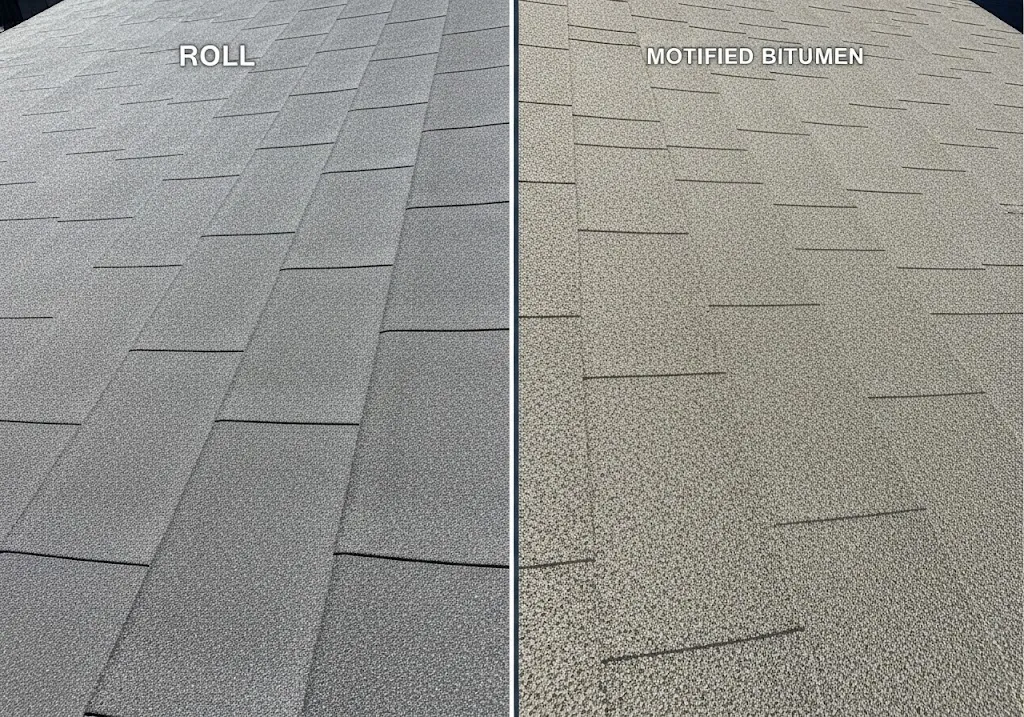
Both roofing materials offer limited aesthetic options, but modified bitumen provides slightly better appearance consistency and a professional finish. The granule texture on both materials helps with UV protection, though modified bitumen maintains its appearance longer due to superior material stability.
Which Roof Performs Better in Harsh Weather?
Modified bitumen clearly wins in extreme weather performance. The polymer-enhanced composition provides exceptional flexibility during temperature fluctuations, preventing crack formation that commonly affects roll roofing. Wind resistance is also superior with properly installed modified bitumen systems, making them suitable for commercial applications and residential properties in challenging climates.
Roofing San Jose: Why Choose Local Experts for Your Roof Project
Professional installation becomes crucial when dealing with roofing materials that require specialized knowledge and equipment. Local roofing experts understand regional climate challenges and building codes, ensuring your roofing system meets all requirements while providing optimal performance for your specific environment.
Mod Bit vs Rolled Roofing: Which Roof Should You Choose?
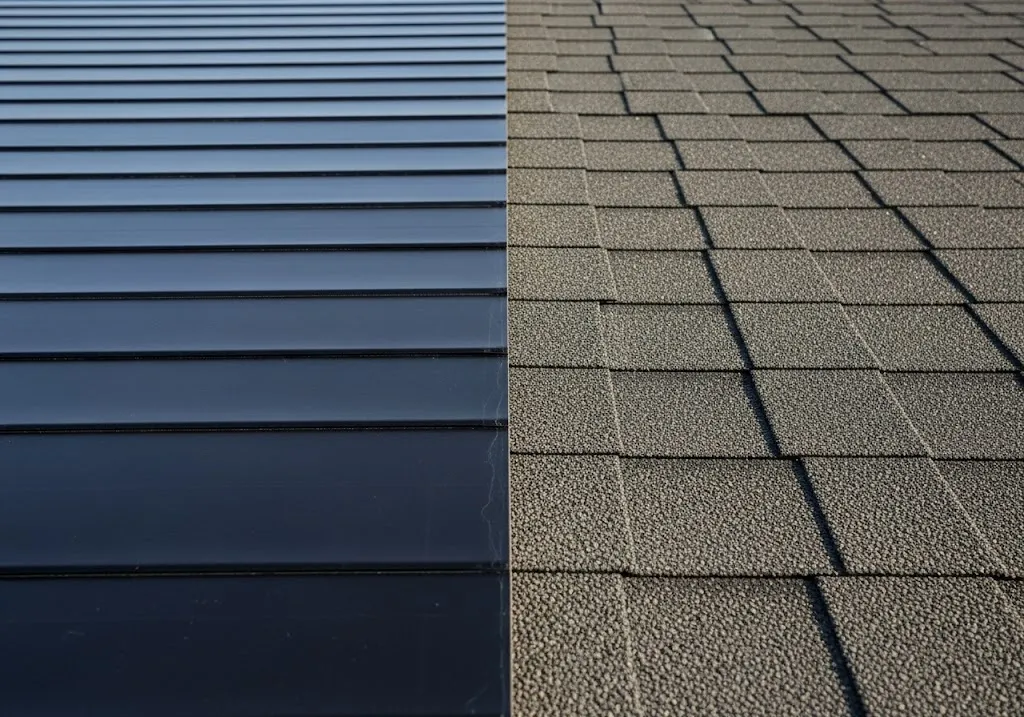
The choice between mod bit vs rolled roofing depends on several factors, including budget, building type, expected lifespan, and local climate conditions. For permanent structures requiring long-term protection, modified bitumen offers superior value despite higher initial costs. Roll roofing remains appropriate for temporary buildings, budget-conscious projects, or situations where immediate coverage is needed.
Consider modified bitumen when:
- Long-term durability is essential
- The building faces extreme weather conditions
- Professional installation is feasible
- Total cost of ownership is more important than initial expense
Choose roll roofing when:
- Budget constraints are the primary concern
- Temporary or secondary structures need coverage
- Quick installation is required
- Professional installation isn’t readily available
Final Thoughts on Modified Bitumen vs Roll Roofing
The modified bitumen vs roll roofing decision ultimately comes down to balancing immediate costs against long-term performance and maintenance requirements. While roll roofing provides an affordable entry point for basic protection, modified bitumen delivers superior durability and weather resistance that often justifies the additional investment for permanent structures.
Both roofing materials serve important roles in the construction industry, but understanding their distinct characteristics helps ensure you select the most appropriate solution for your specific project requirements and circumstances.
FAQ: Modified Bitumen vs Roll Roofing
Is modified bitumen roofing better than rolled roofing?
Modified bitumen roofing typically offers superior performance in terms of durability, weather resistance, and longevity. The enhanced composition with rubber or plastic polymers provides better flexibility and protection compared to basic roll roofing materials.
What are the disadvantages of modified bitumen roofing?
The main disadvantages include higher initial costs, requirements for professional installation with special equipment, and more complex application processes compared to simpler roofing materials.
How long will a modified bitumen roof last?
A properly installed modified bitumen roof typically lasts 15-20 years, significantly longer than roll roofing systems. Factors affecting lifespan include installation quality, climate conditions, and maintenance practices.
What is another name for modified bitumen roofing?
Modified bitumen is also commonly referred to as “mod bit” roofing, polymer-modified bitumen, or SBS/APP modified bitumen, depending on the specific polymer enhancement used in the composition.
Can roll roofing be used on residential homes?
Roll roofing can be used on residential properties, particularly for low-slope applications, garages, sheds, or temporary structures. However, it’s less commonly used on primary